Why Buildings Fail — Lessons From Earthquakes
Earthquakes are among the most destructive natural disasters, capable of turning entire cities into rubble within seconds. Yet history shows that it is not the earthquake itself that kills most people, but the failure of buildings. Understanding why structures collapse is critical to preventing future tragedies.
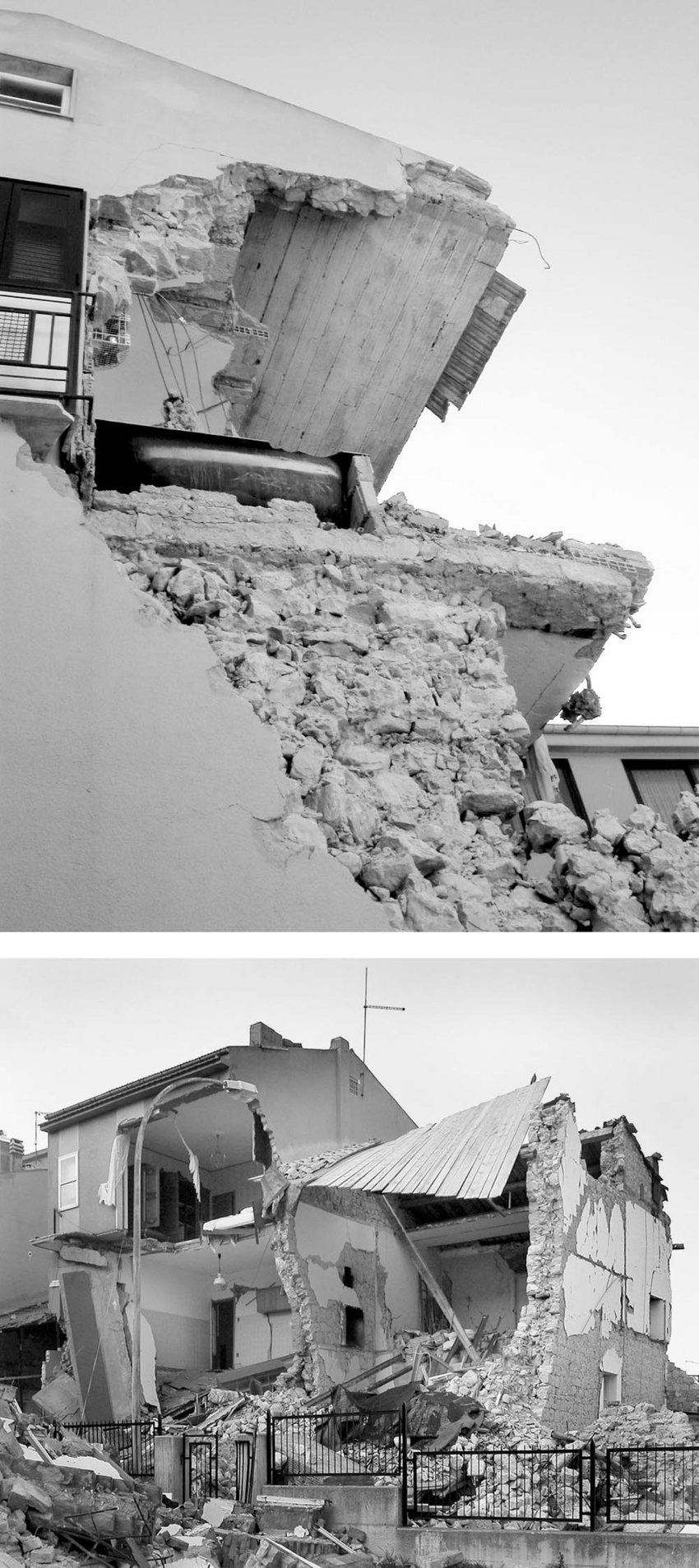
1. Poor Structural Design
Buildings that are not designed with seismic forces in mind are highly vulnerable. Common design flaws include irregular shapes, weak ground floors, and insufficient lateral load resistance. When shaking begins, these weaknesses concentrate stress in specific areas, leading to sudden collapse.
2. Inadequate Construction Quality
Even a well-designed building can fail if it is poorly constructed. Low-quality concrete, insufficient steel reinforcement, improper curing, and unauthorized design changes significantly reduce a structure's ability to withstand earthquake forces.
3. Lack of Enforcement of Building Codes
Many regions have seismic building codes on paper, but weak enforcement undermines their effectiveness. Illegal construction, corruption, and lack of inspections often result in unsafe buildings that appear sound but collapse catastrophically during earthquakes.
4. Soil and Foundation Failures
The ground beneath a building plays a major role in its performance during an earthquake. Structures built on soft soil, reclaimed land, or slopes are at higher risk due to amplification of seismic waves, liquefaction, and landslides.
5. Aging Infrastructure
Older buildings constructed before modern seismic standards are especially vulnerable. Over time, materials degrade and structural elements weaken, further increasing the risk of collapse unless retrofitting and strengthening measures are applied.
Key Lessons From Earthquakes
- Earthquake-resistant design saves lives.
- Strict enforcement of building codes is essential.
- Quality construction materials and workmanship matter.
- Retrofitting older buildings reduces risk significantly.
- Public awareness and preparedness are as important as engineering solutions.
Conclusion
Buildings do not fail by accident. They fail due to human decisions—poor design, weak construction, and ignored regulations. Major earthquakes around the world have repeatedly demonstrated that collapse is preventable. By learning from past disasters and applying proven engineering principles, societies can drastically reduce loss of life in future earthquakes.